
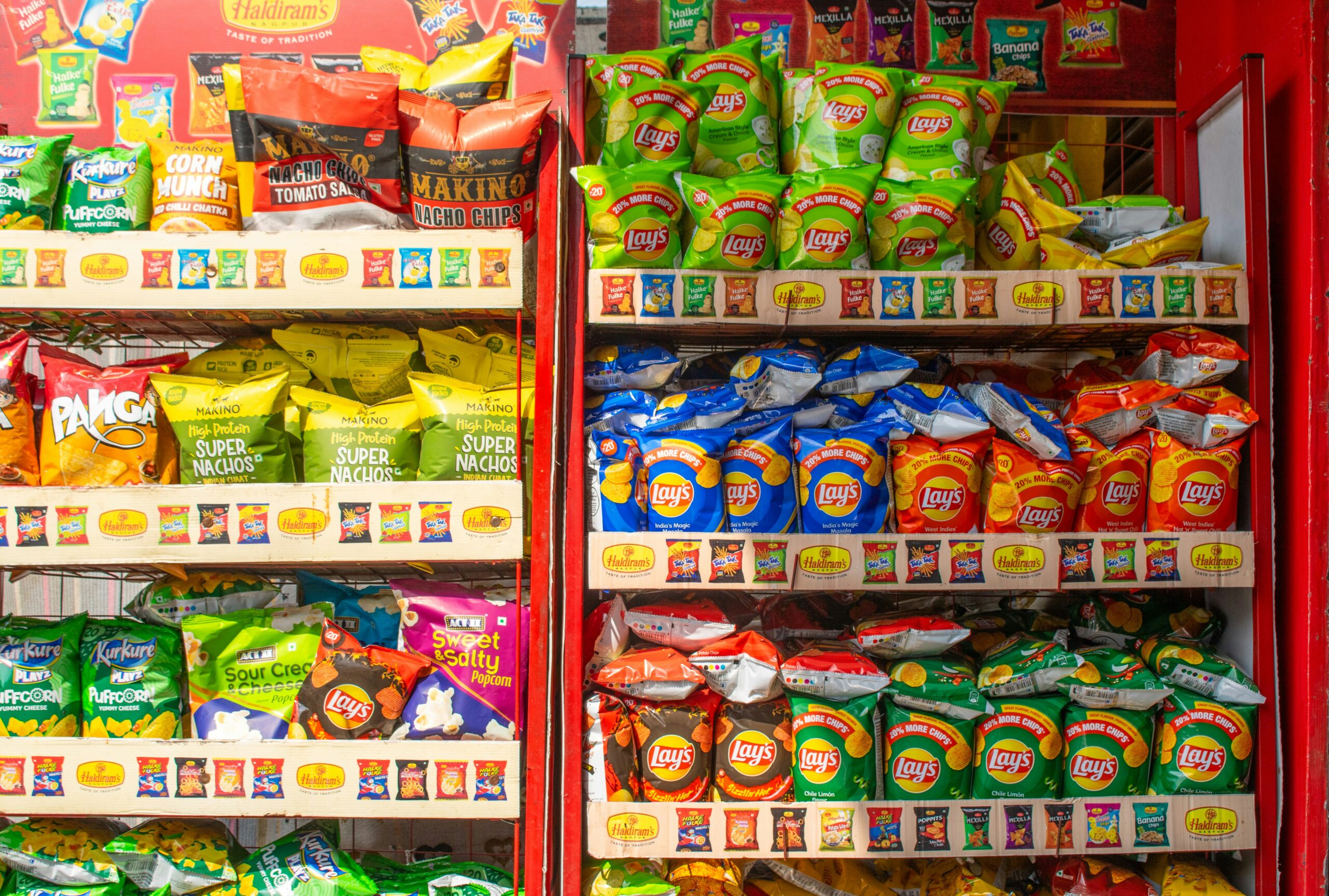

Nutrition Labels: Where It All Goes Wrong
Imagine you find yourself in a grocery store on a Sunday afternoon. You suddenly get a craving for something sweet. After a few minutes of looking around, you spot a bag of grapes. You glance at the nutrition label, and it reads 15 grams of sugar per serving. “Wow, that’s a lot of sugar,” you think — but you still put it in the cart because you like grapes. A few aisles later, you come across a box of cookies. Again, you check the label. This time, it surprises you: only 12 grams of sugar per serving. Now you’re thinking, “Wait a second… these cookies have less sugar than the grapes? I might as well just bring these home instead.”
Many people make this mistake. This is one of the many ways nutrition labels on packaged foods mislead customers to think they are eating healthy. They rely only on sugar or calorie numbers to determine what’s healthy. Unfortunately, nutrition labels don’t tell the whole story and over the course of this article you will learn about the story of food quality and how it affects the food you eat.
“Beyond the Numbers: What’s Hidden by the Labels on Packaged Foods?”
A 2022 study found that 33% of unhealthy packaged foods carry nutritional claims like “low sugar” or “whole grain.” But there is a lot behind those numbers and buzzwords that isn’t being shown. This hidden information has a real impact on your health. Here are three major things that nutrition labels fail to show you:
- Degree of Processing: This refers to how far a food is from its original, natural form. The more processed it is, the more likely it is to contain additives, preservatives, and chemicals — and the more it’s associated with obesity, heart disease, type 2 diabetes, and even depression. Even if the sugar or calories look “reasonable,” a highly processed food can still harm your long-term health.
- Nutrient Density: Nutrition labels show the basics — fat, carbs, protein, sugar — but they don’t tell you about:
- Antioxidants
- Fiber
- Vitamins and Minerals
- Anti-inflammatory Compounds
- Phytochemicals
These nutrients help reduce inflammation, support your immune system, and protect your body in ways that basic numbers can’t reflect.
- Glycemic Impact: Nutrition labels don’t tell you how your blood sugar responds after eating a food. For example, 20 grams of carbs from lentils or apples will cause a slow, steady rise in blood sugar. In contrast, 20 grams of carbs from white bread causes a fast, sharp spike. Over time, those spikes lead to insulin resistance and cardiovascular disease, according to Stanford Medicine.
Because these categories don’ t show up on nutrition labels, many get into the situation of cookies and grapes I mentioned above. Just looking at the numbers create a false sense of health. For example, lets say you have a coke zero; yes it does have 0 calories and 0 grams of sugar but it contains artificial sweeteners which according to the World Health Organization are possibly carcinogenic.
“Natural vs. Refined: What Packaged Foods Lack”
One of the most overlooked differences in food is whether it’s natural or refined.
- Natural sugars are found in fruits, vegetables, and dairy.
- Refined sugars (also called added sugars) are found in processed foods like candy, soda, and baked goods.
Refined sugar is stripped of fiber, vitamins, and minerals, which are the very nutrients that help regulate blood sugar. This leads to quick spikes in energy, crashes, and increased risk of diabetes and weight gain. In contrast, natural sugar comes with fiber and nutrients. This slows the digestion process and gives your body a steady source of fuel. The more and dense these nutrients are in food, the better the food quality. Because of this natural food tends to have a higher food quality while refined foods tend to have the opposite.

“How to Improve the Quality of Food you Eat”
Choosing better quality food can feel overwhelming — especially when so much information is hidden or misleading. But by focusing on instincts and simplicity, you can make smarter decisions without needing a degree in nutrition. Here are three simple steps to use the next time you’re shopping:
- Focus on Real, Not Just the Numbers: Try to pick the item that seems most directly from the source. Though the sugar of a packaged item might be less, try picking the option that is more whole.
- Ingredients > Nutrition Stats: When comparing two packaged items, read the ingredient list first — not just the nutrition panel. If the ingredients are things you recognize and could use in your own kitchen, that’s usually a good sign. If it reads like a chemistry lab? Maybe skip it.
- Convenience at a Cost: Yes, packaged foods are quick and easy — but is the convenience worth your health? According to a study published in Clinical Nutrition by ESPEN, premade or packaged foods cost 54.7% more annually than a homemade diet — and that’s not even counting the long-term health costs. The best things take effort — and creating meals from whole foods is one of the best long-term investments in your body and mind.
Final Thoughts
Making better food choices is one of the most powerful things you can do for your health. Don’t be fooled by numbers on a label. Look for real ingredients. Choosing foods that are whole, natural, and close to the source will improve your food quality. If something looks overly processed or artificial it probably does the opposite. It probably is. By doing this, you are improving the These small choices may not seem like a big deal now, but they add up. Your future self will thank you. Your health is built one decision at a time.